
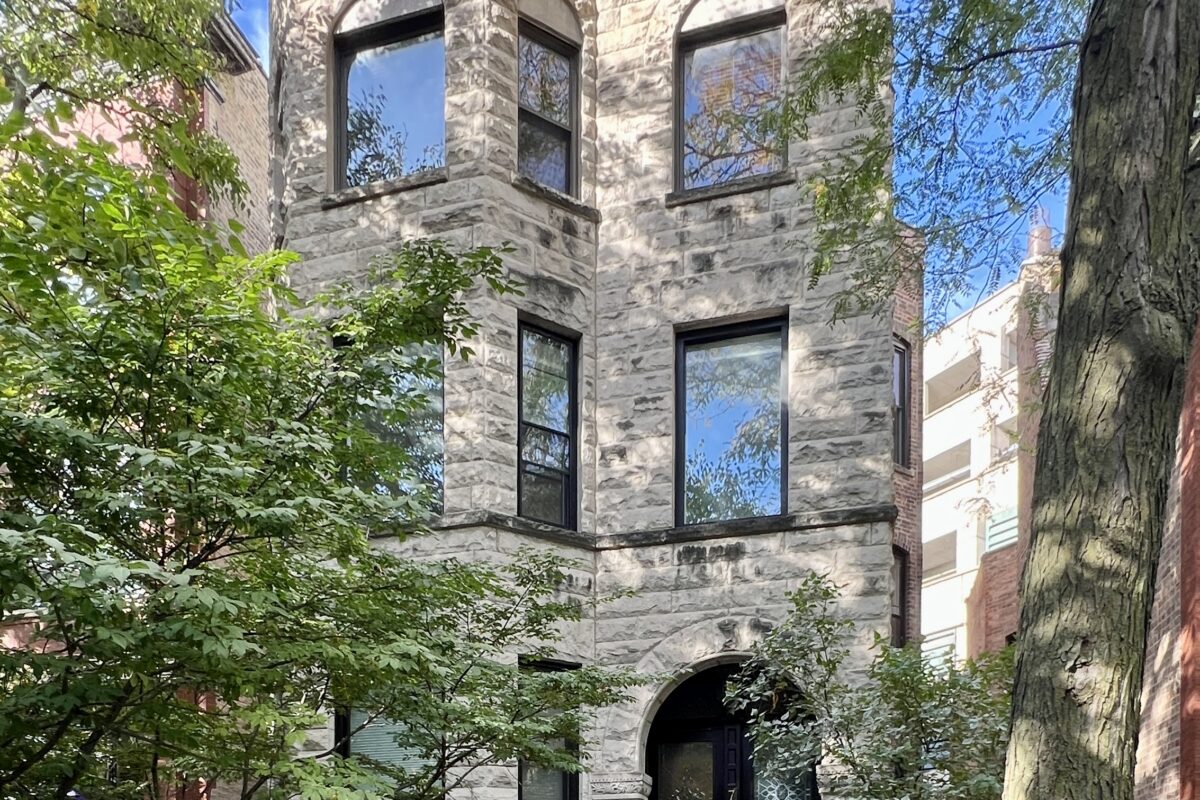
If you are looking at a condo and the reserve balance on the association’s financials feels small, you are asking the right question at the right time. A recent buyer I worked with was deciding on a unit in a five-unit vintage building where the association had $3,000 in reserves. His question was simple: is that a dealbreaker?
The honest answer is that $3,000 tells you almost nothing by itself. It is not a red flag or a green light. It is a number that only becomes meaningful once you know what it is being measured against, and that takes a little more digging than reading a listing sheet.
What a reserve fund is. A condo association’s reserve fund is money set aside, separate from day-to-day operating expenses, to pay for the eventual repair or replacement of shared building components: the roof, the boiler, tuckpointing, common hallway systems, elevators where they exist, and similar big-ticket items that every owner shares the cost of. Monthly assessments fund two buckets: operating expenses (landscaping, insurance, management, utilities for common areas) and reserves. How much goes into each bucket is a decision the board makes every year when it sets the budget.
What Counts as a “Healthy” Reserve Fund?
There is no single number, in dollars or as a percentage, that Illinois law or the real estate industry treats as the line between healthy and unhealthy. What matters is the ratio between what the association has saved and what it will realistically need to spend, and over what timeframe.
A well-run association with a current reserve study can tell you, component by component, what its roof, mechanical systems, and facade repairs are expected to cost and when. That study, compared against the current reserve balance and the amount being collected monthly, tells you whether the fund is on track. Without a study, you are comparing a dollar figure against a guess, and guesses are where surprises live.
This is also where I’ll push back a little on the instinct to compare reserve balances across buildings the way you’d compare list prices. A $3,000 reserve balance in a five-unit building and a $3,000 reserve balance in a forty-unit building are not remotely the same situation, and neither is automatically worse. Context is everything here. The building’s size, age, and the scope of what the association is responsible for maintaining all change what “enough” looks like.
Why Do Small Buildings Often Have Smaller Reserves, and Is That a Problem?
Smaller associations, particularly buildings with six or fewer units, often run leaner reserve funds than large high-rises, and there are a few honest reasons for that.
First, fewer owners means fewer people contributing each month, so building a large reserve balance simply takes longer at a comparable assessment level. Second, many smaller vintage buildings were converted decades ago with modest reserve practices that have never been formally updated. Third, some small associations self-manage without a property management company, which means there may be no one actively tracking reserve funding targets against a reserve study, because there may be no reserve study at all.
None of that automatically means the building is in trouble. It does mean the burden shifts to you, the buyer, and your attorney, to find out directly rather than assume. A five-unit building with $3,000 in reserves and a newer roof, updated mechanicals, and no deferred maintenance on the horizon is a very different purchase than the same $3,000 sitting under a building with a roof nearing the end of its life.
Let me play devil’s advocate for a moment. It’s tempting to think a bigger reserve number is always the safer choice. It isn’t automatically. A building sitting on an unusually large reserve fund can also mean owners have been overpaying into reserves for years relative to actual need, or that a special assessment happened recently and reserves haven’t been spent down yet for planned work. A big number and a small number both raise the same underlying question: what is this money actually earmarked for, and does the plan match the building’s real condition? The number is a prompt for a conversation, not a substitute for one.
What Does Illinois Law Actually Require?
Under the Illinois Condominium Property Act, associations are required to include “reasonable reserves for capital expenditures and deferred maintenance” in their annual budgets, and boards are directed to weigh several factors in deciding what counts as reasonable: the anticipated repair and replacement costs and useful life of common elements, current investment returns, any professional reserve study the board has obtained, and the financial impact on owners and property values (765 ILCS 605/9(c)(2)).
What the statute does not do is set a required dollar amount or percentage. There is currently no Illinois law requiring associations to obtain a reserve study at all, though legislation that would have required one every five years for larger associations was introduced in the 2025-2026 General Assembly session and has not passed as of this writing. Buyers also have a specific right, under Section 22.1 of the Act, to request certain financial and governance documents from the seller before closing, including the current budget, reserve information, and any pending special assessments (765 ILCS 605/22.1).
Because this is a legal disclosure process with real deadlines and consequences if it’s mishandled, this is exactly the kind of thing your real estate attorney should walk through with you directly rather than relying on a blog post, mine included, to interpret it for your specific building.
How Do Reserves Affect Whether You Can Even Get a Mortgage?
This is the part that surprises a lot of buyers, and it can matter more than the reserve number itself feels like it should.
Fannie Mae and Freddie Mac, which set the standards most conventional lenders follow for condo loans, currently look for an association’s reserve line item to equal at least 10% of its annual assessment income before a unit qualifies for the easiest loan approval path. That threshold is scheduled to rise to 15% in January 2027. Associations below the threshold aren’t automatically disqualifying, but they typically need a current, independent reserve study to justify the lower funding level, and lenders have gotten stricter about accepting that justification.
In practice, this means a low reserve balance can affect financing before it affects anything about your day-to-day living in the unit. If you’re financing the purchase, ask your lender early, before you’re deep into attorney review, whether the building’s financials will pass a full underwriting review. Your lender, not your real estate agent, is the right professional to confirm current lending guidelines for your specific loan program.
How Much Preparation Is Enough Before You Decide?
You don’t need to become a forensic accountant to buy a condo responsibly. You need three documents and a few direct questions.
Ask for the association’s current annual budget, the most recent reserve study if one exists, and at least the last two years of board meeting minutes. The minutes matter more than people expect. They tell you what the board has been discussing: deferred projects, insurance claim history, disputes over assessments, or a special assessment vote that hasn’t shown up in the financials yet.
Then ask directly: has the board discussed or voted on a special assessment in the last two years? Is there a reserve study, and how recent is it? What major building components have been replaced recently, and what hasn’t been touched in a long time? A board or managing agent that answers these plainly, with documentation, is telling you something. One that becomes vague or defensive is telling you something too.
Preparation matters. Perfection usually doesn’t. You are not looking for a building with zero risk. You are looking for a building where the risks are visible, documented, and reasonably sized relative to what you’re taking on.
If you’re evaluating a building’s financial health as part of a purchase, my guide on buying into the building walks through what Section 22.1 entitles you to see and how to translate an association’s numbers into your true monthly cost, beyond just the assessment amount on the listing. And if financing is part of your decision, it’s worth reviewing what not to do once you’ve applied for a mortgage, since a building’s reserve position can surface during underwriting well after your offer is accepted.
The better question isn’t “how much should be in reserves.” It’s “does this board understand what its building needs, and is it planning for it.” A reserve balance is one data point in answering that. It was never meant to be the whole answer.
Frequently Asked Questions
Is a $3,000 reserve fund always a red flag for a condo association? Not automatically. A reserve balance only means something in context: the building’s size, age, condition, and how much is being collected monthly toward reserves. A small building with modest, well-tracked needs can carry a smaller balance without being financially unhealthy. The way to know is to review the budget and reserve study, not the balance alone.
Does Illinois law require condo associations to have a minimum reserve fund? No. The Illinois Condominium Property Act requires associations to budget “reasonable reserves” and lists factors boards must consider, but it does not set a required dollar amount or percentage (765 ILCS 605/9(c)(2)). There is also currently no state requirement to obtain a professional reserve study, though this has been proposed in recent legislative sessions.
What is Section 22.1 and why does it matter when buying a Chicago condo? Section 22.1 of the Illinois Condominium Property Act gives buyers the right to request specific financial and governance documents from the seller before closing, including the association’s budget, reserve information, and any pending special assessments. Your attorney should review these documents as part of your purchase, since they carry legal deadlines and consequences.
Can low HOA reserves affect my ability to get a mortgage? Yes, potentially. Fannie Mae and Freddie Mac guidelines, which most conventional lenders follow, look for an association’s reserve funding to meet a minimum threshold of annual assessment income before a unit qualifies for standard loan approval. Buildings below that threshold may need a current reserve study to still qualify. Confirm current requirements with your lender early in the process.
What documents should I ask for before deciding a low reserve is a dealbreaker? Request the association’s current annual budget, its most recent reserve study if one exists, and at least two years of board meeting minutes. The minutes often reveal upcoming special assessments or deferred projects that the balance sheet alone won’t show.
Are small buildings riskier to buy into than large condo associations? Not inherently. Small associations often have leaner reserve funds simply because fewer owners are contributing monthly, and some self-manage without formal reserve planning. That shifts more responsibility onto the buyer to verify the building’s condition and financial documentation directly, rather than making small buildings automatically riskier.
Should I hire someone to review the association’s financials for me? Your real estate attorney should review the Section 22.1 disclosure documents as a standard part of your purchase. For a building with significant deferred maintenance concerns or no reserve study, some buyers also bring in an independent engineer or reserve study professional before finalizing their decision. This isn’t required in every purchase, but it’s worth discussing with your agent and attorney if red flags come up in the documents.