Chicago’s Protecting Renters Ordinance (PRO): What Renters, Buyers, and Property Owners Need to Know in 2026
What Is the Chicago Protecting Renters Ordinance?
Chicago’s Protecting Renters Ordinance — commonly referred to as the PRO — is a proposed overhaul of the city’s Residential Landlord and Tenant Ordinance (RLTO). Mayor Brandon Johnson’s administration introduced the legislation on June 29, 2026. As of mid-July 2026, the ordinance is still moving through the early committee review process at Chicago City Hall. No final vote has been scheduled.
Illinois Realtors has described the PRO as possibly “the most extensive piece of local legislation” the organization has ever encountered in its statewide advocacy efforts. That is not a small statement for a trade association that represents more than 48,000 members across Illinois.
What Does the Protecting Renters Ordinance Propose to Do?
The PRO includes several significant changes to existing Chicago landlord-tenant law. The major provisions include:
Security deposit and move-in fee caps. The ordinance proposes to cap security deposits and ban move-in fees, reducing upfront costs for tenants entering new leases.
Tenant ability to reject rent increases. Under the proposed ordinance, tenants would be able to reject rent increases they consider “unconscionable.” The ordinance does not provide a clear recourse mechanism for housing providers in that scenario, even if rising property taxes, insurance premiums, or operating costs are the driver behind the increase.
Mandatory relocation fees. If a housing provider does not renew a lease, even for a legitimate reason such as making significant repairs or moving in a family member, the ordinance would require the provider to pay relocation fees. The cost of those fees is substantial. According to the Chicago Association of Realtors and Illinois Realtors, a property owner in Lincoln Park could be required to pay more than $40,000 per unit in relocation costs. In Humboldt Park, that figure is estimated at approximately $22,950. In West Englewood, approximately $19,800.
Why Are Real Estate Industry Organizations Opposing the PRO?
The Chicago Association of Realtors, Illinois Realtors, and the Chicagoland Apartment Association have each come out in opposition to the ordinance. Their concerns center on three core arguments.
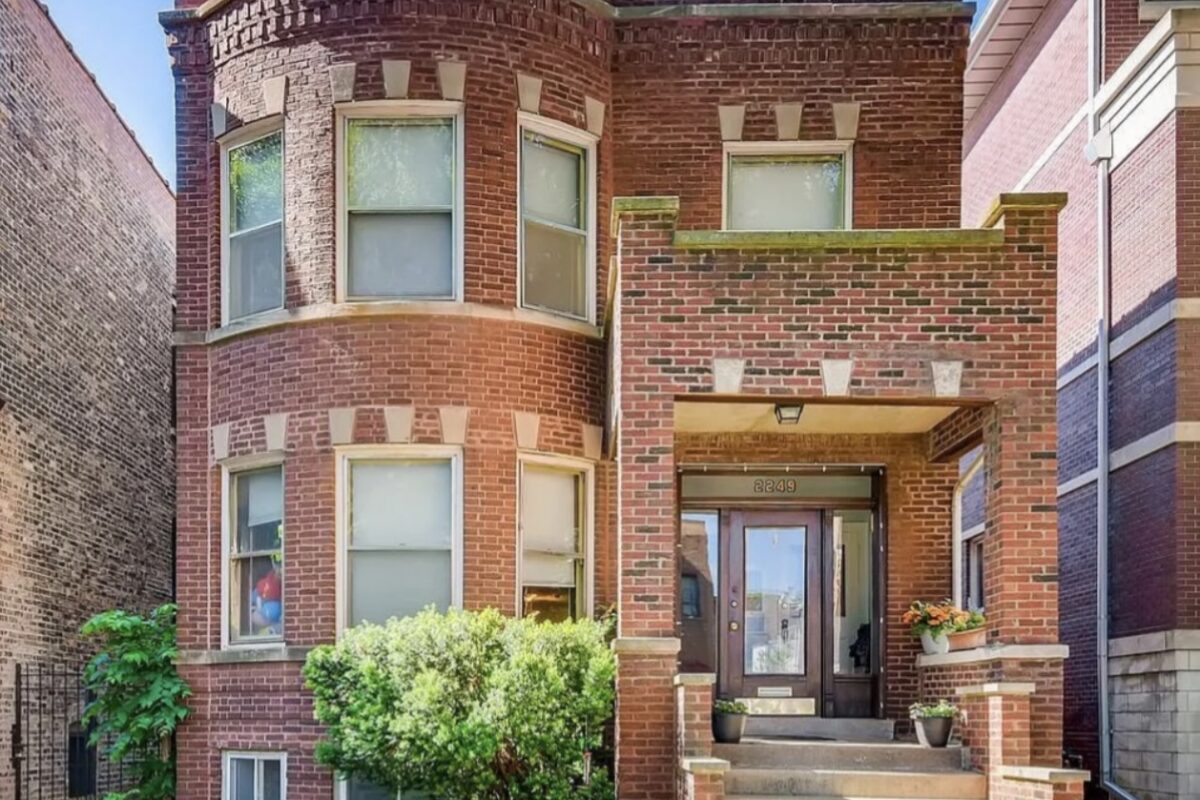
The cost burden on small housing providers is not sustainable. According to the Institute for Housing Studies at DePaul University, two-to-four unit buildings represent 26% of Chicago’s overall housing stock, and more than 70% of the housing stock in neighborhoods like South Lawndale and Brighton Park. The majority of those properties are owned by individual residents, retired couples, and families who use rental income as part of their financial plan. When relocation fees, restricted rent increases, and other new financial burdens make it impossible to cover rising costs, those owners have limited options: raise rents where the ordinance allows, defer maintenance, or exit the rental market entirely.
When small landlords exit, institutional investors enter. This is the part of the conversation that tends to get lost. When the cost of operating small rental properties rises to unsustainable levels, those properties often get sold. And the buyers positioned to acquire them at scale are not typically other small local investors. They are institutional. The research on what happens next — in cities like San Francisco — is instructive.
Supply, not regulation, is the most effective path to affordability. A July 2026 opinion piece published in Crain’s Chicago Business, co-authored by the CEOs of the Chicago Association of Realtors and Illinois Realtors alongside the executive vice president of the Chicagoland Apartment Association, stated directly that Chicago’s housing crisis will not be solved by making rental housing harder to provide. The piece referenced San Francisco’s experience with comparable policies, noting that some property owners responded by converting rental units to owner occupancy or other uses, reducing rental supply and contributing to higher housing costs over time.
Economists broadly support this analysis. Increasing housing supply is the most consistently cited path toward long-term affordability improvement in urban housing markets.
What Happened at the June 29, 2026 Subject Matter Hearing?
The ordinance faced a more balanced hearing than its proponents may have anticipated. Thirty residents testified both for and against the ordinance. Illinois Realtors’ Governmental Affairs team spent the weekend prior to the hearing educating Chicago alderpeople and preparing questions for the committee. Several REALTOR members, including Mike McElroy, Sheila Dantzler, and Miguel Chacon, each testified to a different aspect of the proposed ordinance and its potential unintended consequences.
Senior aldermen on the committee expressed significant concern about the scope of the ordinance and the pace at which the administration was pushing it forward. The administration had initially sought a Housing Committee vote on July 8 and a full City Council vote on July 15. As of mid-July 2026, Illinois Realtors has stated it will continue to work with City Council to defer the matter if needed to allow for further aldermanic education.
What Does the PRO Mean for Chicago Buyers Considering Income Property?
If you are actively evaluating a two-flat, three-flat, or small multi-unit purchase in Chicago, the Protecting Renters Ordinance belongs in your analysis — even though it has not passed.
Real estate strategy is always about anticipating what is coming down the road, not just what is true on closing day. A property’s financial model changes meaningfully if the ordinance passes in its current form. The ability to adjust rents in response to rising costs, the cost of non-renewals, and the financial exposure created by relocation fee requirements are all variables that affect return projections on income property in this city.
The ordinance is still in committee. It can be amended, deferred, or defeated. But buyers who are not tracking it are operating without complete information.
What Does the PRO Mean for Renters in Chicago?
The intention behind the Protecting Renters Ordinance is to create greater stability and affordability for Chicago renters. That goal is legitimate and widely shared.
The concern raised by industry organizations, economists, and local housing researchers is about whether the ordinance achieves that goal — or whether it produces the opposite outcome over time.
Costs imposed on housing providers do not disappear. They are absorbed into the market through one of several channels: higher rents where allowed, deferred maintenance, or reduced availability as units exit the rental market. Renters in cities that have passed similar ordinances have experienced all three of these outcomes. In San Francisco, the research showed that rent control expansion led some property owners to convert rental units to other uses, reducing supply and contributing to higher market rents overall.
Chicago’s two-to-four unit buildings are the most accessible, most locally-owned, and most naturally affordable segment of the rental market. Policies that make it financially difficult for those owners to stay in business tend to consolidate rental housing into fewer, larger hands. That is rarely a better outcome for affordability.
Frequently Asked Questions About the Chicago Protecting Renters Ordinance
Has the Chicago Protecting Renters Ordinance passed?
No. As of mid-July 2026, the PRO was introduced on June 29, 2026, and is still in the early committee review stage at Chicago City Hall. No final vote date has been announced.
What is the Protecting Renters Ordinance?
The PRO is a proposed overhaul of Chicago’s Residential Landlord and Tenant Ordinance (RLTO), introduced by Mayor Brandon Johnson’s administration. It would cap security deposits, ban move-in fees, allow tenants to reject rent increases, and require housing providers to pay relocation fees upon non-renewal of leases.
How much are the relocation fees under the proposed ordinance?
Relocation fee amounts would vary by neighborhood based on rental rates. In Lincoln Park, the estimated requirement could exceed $40,000 per unit. In Humboldt Park, approximately $22,950. In West Englewood, approximately $19,800.
What neighborhoods in Chicago would be most affected by the PRO?
All Chicago neighborhoods with rental housing would be affected. Neighborhoods where two-to-four unit buildings represent a large share of housing stock — including many North, Northwest, and Southwest Side neighborhoods — would likely see the most significant impact on small housing providers.
Where can I track the status of the PRO?
The Chicago city government website and Illinois Realtors’ advocacy page both provide updated information on the ordinance’s status. The Chicago Association of Realtors is also actively publishing analysis and resources on the PRO.
Does this ordinance affect single-family home buyers or sellers?
Not directly in the same way. However, any policy that affects rental housing supply and affordability has downstream effects on the broader Chicago real estate market. Buyers considering income property in Chicago should factor the PRO into their current analysis.
A Note on Where This Stands and What Comes Next
The Protecting Renters Ordinance is significant not because it has passed, but because of its scope and the pace at which the administration introduced it. Ordinances of this scale typically benefit from extensive stakeholder engagement, negotiation, and pilot analysis. The industry’s argument is not that tenant protections are wrong. It is that broad financial mandates on small housing providers, without a corresponding strategy for increasing supply, move Chicago’s affordability problem in the wrong direction.
The most significant updates to Chicago’s RLTO historically have been shaped through compromise and stakeholder collaboration. Industry organizations have played a constructive role in those conversations. The same organizations opposing the PRO in its current form have stated clearly that they support safe, stable housing and accountability for bad actors. What they are opposing is a version of this ordinance that, in their analysis, would make Chicago’s housing supply problem worse.
That conversation is still happening at City Hall. And if you own, rent, invest, or are considering any of those things in Chicago — it is worth paying attention.